The midsize SUV segment is one of the most competitive in the global automotive market—and in 2027, Hyundai is making a powerful statement. The Hyundai Santa Fe returns with a dramatic redesign that moves beyond incremental updates and instead reshapes what a family-focused SUV can be.
After listening closely to feedback on the polarizing boxy styling of the previous generation, Hyundai has refined the Santa Fe into a sleeker, more aerodynamic, and more premium-looking vehicle. Drawing inspiration from the success of larger siblings like the Hyundai Palisade, the 2027 Santa Fe blends futuristic design, advanced technology, and versatile powertrains into one of the most compelling packages in its class.
This in-depth SEO review explores the design, interior, performance, technology, and value of the 2027 Hyundai Santa Fe—and why it’s shaping up to be a standout choice in top-tier global markets.
Exterior Design: Sleeker, Wider, and More Sophisticated
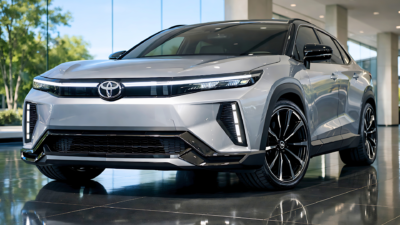
The most noticeable change to the 2027 Hyundai Santa Fe is its exterior redesign. The front end abandons the chunky, utilitarian look of its predecessor in favor of a cleaner, more urban-friendly aesthetic.
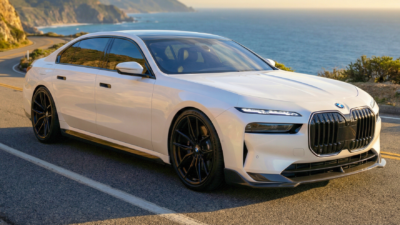
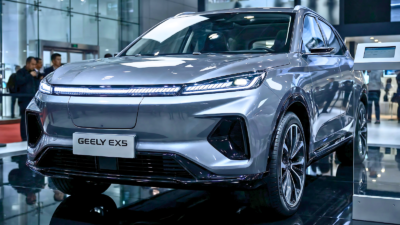
A newly integrated four-bar grille sits front and center, flanked by slimmer headlights and distinctive vertical daytime running lights mounted at the edges. These DRLs give the Santa Fe a sharp, futuristic expression while improving visibility. Lower-mounted headlights in the bumper enhance aerodynamics and contribute to the SUV’s refined proportions.
Gloss-black accents, a sculpted bumper, and wider visual stance give the Santa Fe a more premium road presence—confident without being aggressive.
From the side, the transformation continues. The boxy profile has been smoothed into a more aerodynamic silhouette, with horizontal body molding that emphasizes width and stability. Refined wheel arches house larger alloy wheels—up to 21 inches on higher trims—featuring intricate designs that elevate the SUV’s upscale appeal.
Flowing body lines reduce visual bulk while maintaining a sense of strength, and newly designed side mirrors with integrated cameras improve visibility and safety during lane changes.
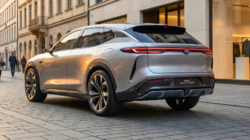
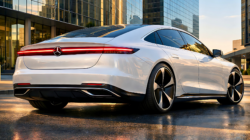
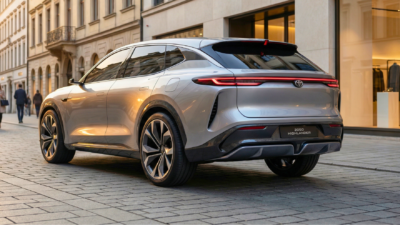
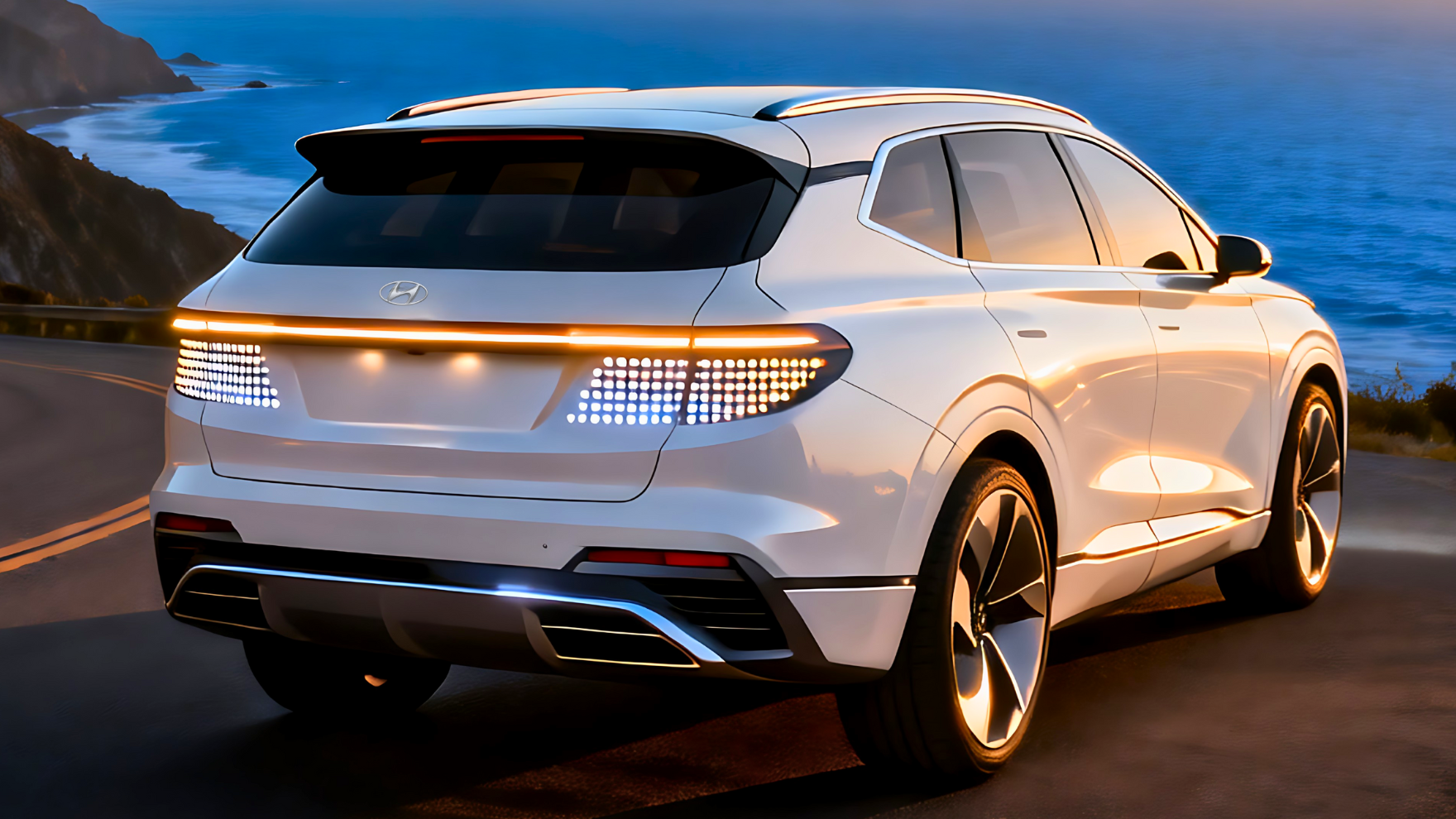
At the rear, the 2027 Santa Fe adopts a more sophisticated, cohesive look. Vertical LED taillights are connected by a full-width horizontal brake light bar, creating a premium nighttime signature. Gloss-black trim on the bumper, repositioned license plate, and optional dual exhaust tips add modern flair.
A redesigned tailgate improves access to the cargo area, while power-lift functionality and an integrated spoiler enhance everyday usability and aerodynamics.
Interior & Technology: Smart, Luxurious, and Family-Focused
Inside, the 2027 Hyundai Santa Fe takes a major leap forward in both technology and perceived quality.
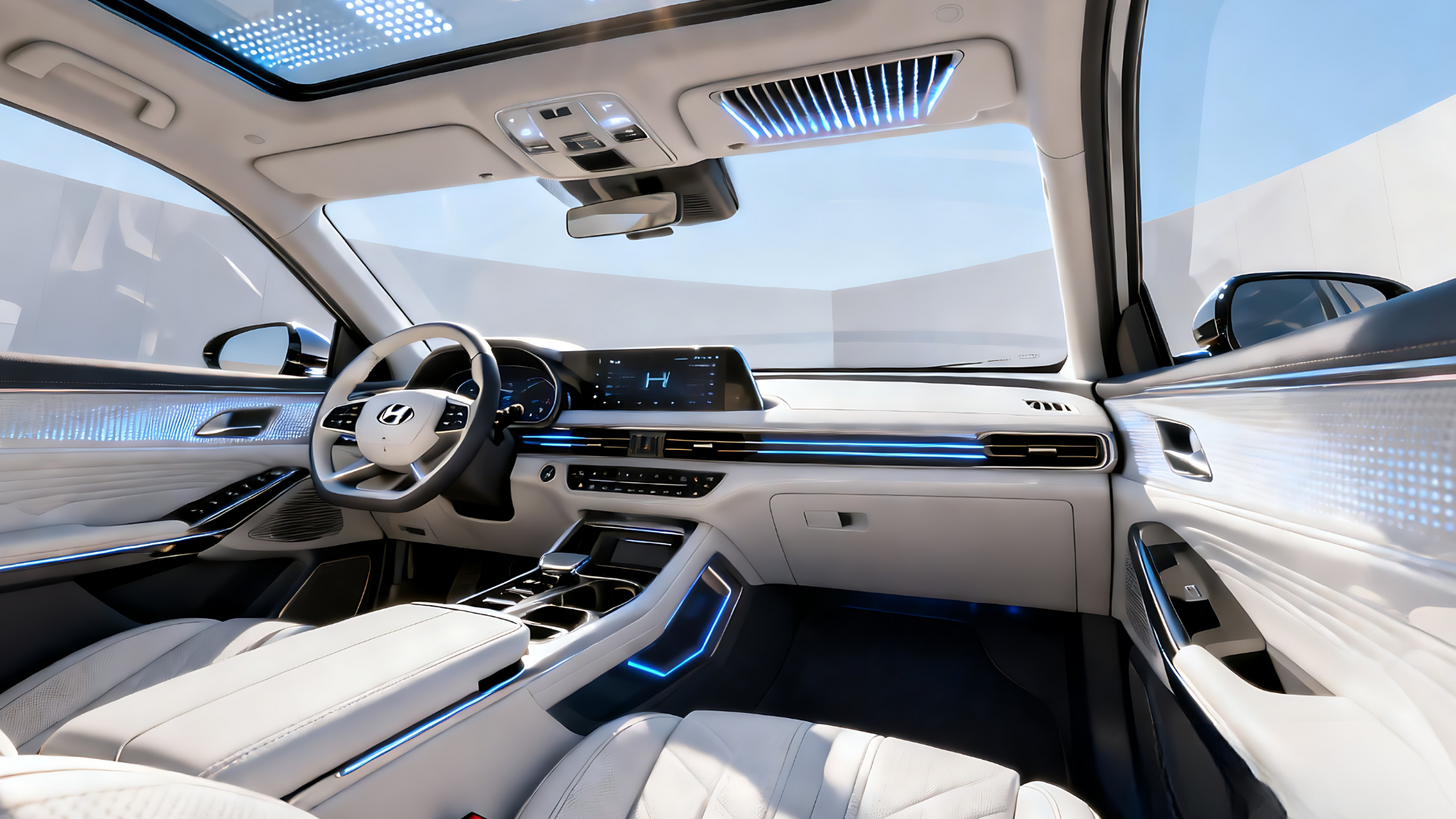
The dashboard is anchored by Hyundai’s new Pleos Connect infotainment system, powered by Android Automotive OS. A large free-standing touchscreen supports split-screen multitasking, customizable layouts, and seamless Apple CarPlay and Android Auto integration. A separate digital instrument cluster delivers clear, driver-focused information without distraction.
The squared-off steering wheel adds a modern touch and features intuitive controls for audio, cruise control, and driver assistance systems. Premium materials—soft-touch surfaces, available leather upholstery, and subtle ambient lighting—create a cabin that feels welcoming and upscale.
Practicality hasn’t been forgotten. Ample storage solutions, a spacious center console, generous door pockets, and smart cabin layout make the Santa Fe ideal for families, commuters, and long-distance travel alike.
Powertrains & Performance: Versatility Meets Innovation
Under the hood, the 2027 Hyundai Santa Fe offers one of the most versatile powertrain lineups in the segment.
The standard gas option remains a 2.5-liter turbocharged four-cylinder engine, producing 277 horsepower and 311 lb-ft of torque, delivering confident acceleration and strong highway performance.
The hybrid variant pairs a 1.6-liter turbo engine with electric assistance, generating a combined 231 horsepower and 271 lb-ft of torque. This setup prioritizes smoothness and fuel efficiency, making it ideal for city driving and long commutes.
Perhaps the most intriguing development is the rumored extended-range electric vehicle (EREV) version. This configuration could use the 2.5-liter turbo engine as a generator, enabling EV-style driving with a potential range exceeding 900 km—combining electric refinement with gasoline-powered reliability.
Hyundai has also addressed past criticism by replacing the dual-clutch transmission with a smoother torque-converter automatic on gas models. Hybrid variants use a six-speed automatic for improved low-speed drivability and comfort.
Pricing & Value: Competitive and Feature-Rich
The 2027 Hyundai Santa Fe is expected to start between $35,000 and $45,000, depending on trim and powertrain—positioning it competitively against rivals such as the Toyota Highlander and Kia Sorento.
Even base trims are expected to include advanced safety systems, the new infotainment platform, and modern design features. Higher trims add premium audio systems, panoramic sunroofs, advanced driver assistance, and potentially the EREV powertrain for buyers seeking efficiency without range anxiety.
Final Verdict: A Smarter, Sleeker SUV for the Future
The 2027 Hyundai Santa Fe is more than a redesign—it’s a reinvention.
With sleeker styling, advanced interior technology, versatile powertrain options, and strong value positioning, Hyundai has transformed the Santa Fe into one of the most well-rounded midsize SUVs on the market. It’s equally at home navigating city streets, handling family duties, or embarking on long road trips.
For buyers seeking a future-ready SUV that balances innovation, comfort, and practicality, the new Santa Fe is impossible to ignore.
The big question now is this:
Does the 2027 Hyundai Santa Fe set a new benchmark for family SUVs?
For many drivers, the answer may very well be yes.